
Medical Device Contract Manufacturing
Pathway Medtech believes no design is complete until it can be manufactured efficiently, repeatedly, and to meet top quality standards and regulations. We excel at the design and development of medical devices and other new products without ever compromising quality.
Defining the Design Parameters
Is your medical device ready for assembly? Pathway Medtech offers scalable, cost-effective contract manufacturing from small to large-volume production (with much less of the hassle interjected by the competition). We can help you meet your production goals without compromising the quality of your product. Change orders, testing, material building, and documentation are all handled and expedited by our experienced professional team with minimal impact on timeline and budget. It’s our goal to support your business’s entrepreneurial spirit and get your project to the finish line seamlessly and without needless hurdles.
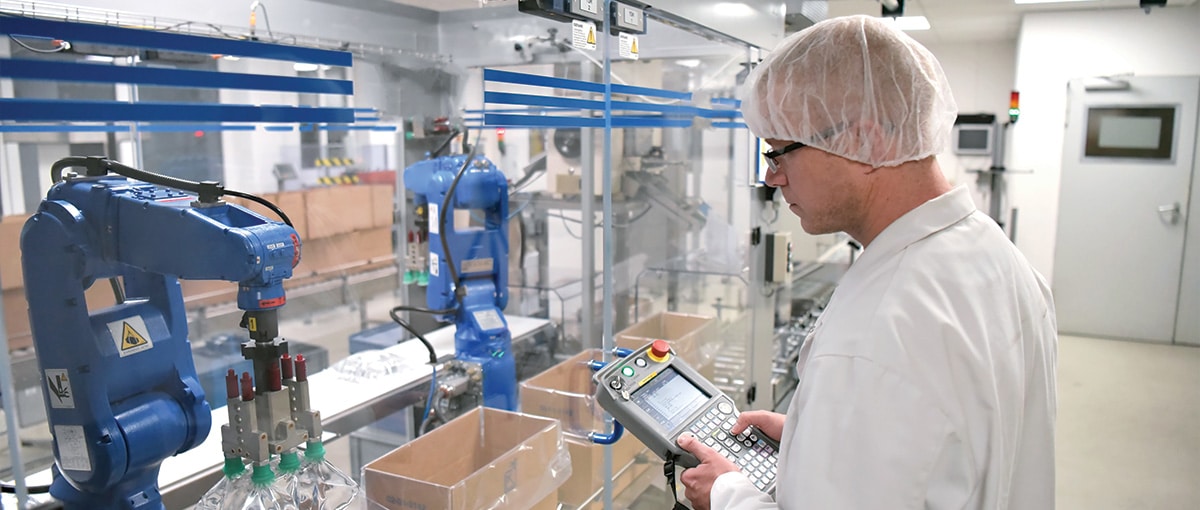
Pathway Medtech features a highly technical production team capable of efficiently integrating new product assembly lines. Whether you’re looking for high-precision, short-run assembly or for high-volume manufacturing with ongoing cost-reduction support, we know how to help. Our facilities include the following resources and quality management capabilities:
ISO 13485:2016 Certified
ISO 13485 was developed by the International Organization for Standardization (ISO) to create stringent standards for the quality management process—with specifications included for the medical device industry. ISO defines a medical device as “a product, such as an instrument, machine, implant or in vitro reagent, that is intended for use in the diagnosis, prevention and treatment of diseases or other medical conditions.” ISO 13485 certification ensures that medical devices meet rigorous industry requirements for design, production, installation, and servicing.
FDA 21 CFR 820 Quality System Regulations
Pathway Medtech adheres to FDA regulations that address applicability and good manufacturing practices. This oversight ensures that products brought to market with our help are both safe and effective in accordance with the Federal Food, Drug, and Cosmetic Act. We also make certain that products maintain compliance with 21 CFR Part 820, which is part of Current Good Manufacturing Practice (CGMP) regulations.
ISO Class 6/7/8 Clean Rooms
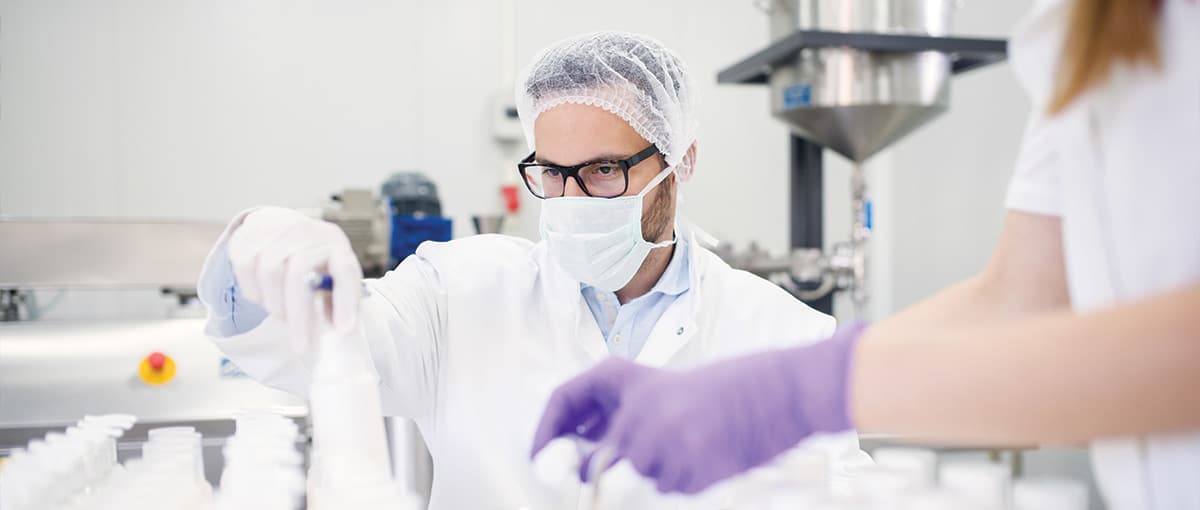
Our clean rooms are maintained in accordance with both industry and international regulatory standards. This controlled environment earns its classification level according to the cleanliness level of the air, with rankings ranging from ISO 1 to ISO 9. ISO classes 6, 7, and 8 are among the most commonly required clean room classifications for medical device manufacturing processes.
ESD Manufacturing/Packaging
ESD, or electrostatic discharge packaging, is available from Pathway Medtech for the manufacturing, transportation, and storage of medical devices, including electronic components. ESD controls and neutralizes the threat presented by static electricity discharges.
CNC Machining
Many of the medical devices manufactured in partnership with Pathway Medtech must adhere to rigid precision, repeatability, and consistency benchmarks. Multi-axis CNC machining achieves these standards for surgical instruments and other extremely intricate devices. Let us meet your demands for tolerance and durability in the life-saving health care solutions being brought to market.
Laser Cutting
Stents, heart valves, and other manufactured medical devices require the detail provided by advanced laser-cutting machines. When carried out by Pathway Medtech, laser-cutting processes ensure low cost, fast work, complex shaping and component geometries, and extreme repeatability with no distortion.
Thermoforming and Die Cutting
Custom medical thermoforming is increasingly popular for medical device and equipment manufacturers. We can help to select the exact thermoplastics and molding that will provide the greatest rate of success for your product. Die cutting is also available for the manufacturing of custom components. Both thermoforming and die cutting can keep fabrication costs down when executed effectively.
EO, Gamma, and E-Beam Cycle Validations
We can also coordinate custom ethylene oxide (EO), gamma, or electronic beam (e-beam) cycle validations as needed for customers. It is critical to validate sterilization processes and ensure they are consistent and will not negatively impact your medical device or its packaging.
Other services offered by Pathway Medtech include label and pouch printing, and sourcing and vendor management. Our integrated approach is built to accommodate medical devices at any stage of design and engineering, regulatory compliance, or manufacturing. We’re here to help you get to the finish line while maintaining good manufacturing practices (GMPs) through proper documentation, and rapid-fire handling of change orders.
Ready to begin the manufacturing process, or need advice on how to get started for your medical device currently in development?
3D Printing
3D printing—or additive manufacturing—is used to create a multitude of advanced, three-dimensional medical devices produced from digital files. Pathway Medtech utilizes 3D printing to manufacture implants, surgical instruments, prosthetics, and numerous other products. The flexibility provided by additive manufacturing lends itself to simple sizing and layering changes to suit various patient anatomies without the need for major adjustments of equipment and tools.
Faq
Medical Device Manufacturing FAQs
From early-stage production to commercial manufacturing, choosing the right partner comes with important questions. Explore how Pathway MedTech supports medical device companies with manufacturing, cleanroom assembly, quality requirements, packaging, and design transfer. Copy text
Once you submit an inquiry through our website, a member of our team will reach out to arrange a brief introductory call. This initial conversation allows us to learn about your device, where you are in the development process, and what you hope to accomplish.
If there appears to be a good fit, we’ll establish a mutual nondisclosure agreement (NDA) before reviewing confidential technical information. From there, our engineering and manufacturing teams can evaluate available drawings, specifications, production requirements, and other relevant documentation. We’ll then work with you to define the potential scope, identify any outstanding development or manufacturing considerations, and outline the next steps toward a proposal.
You don’t need to have everything figured out before contacting us. Part of that first conversation is understanding where you are and determining how we may be able to help.
Absolutely. Not every medical device company needs tens of thousands of units, especially during development, clinical evaluation, or early commercialization. Pathway works with companies that may not meet the minimum production volumes required by larger contract manufacturers. We evaluate each project based on its complexity, production requirements, and stage of development, providing a manufacturing approach that supports current needs while considering opportunities for future growth.
Yes. Pathway operates ISO Class 7 cleanroom environments designed to support medical device assembly and packaging activities requiring controlled conditions. Our manufacturing team works alongside quality and engineering personnel to establish appropriate assembly processes, documentation, inspection requirements, and environmental controls. This integrated approach helps clients manage manufacturing and quality requirements without coordinating multiple disconnected providers.
Yes. Pathway supports medical device companies across multiple stages of the product lifecycle, including design verification builds, pilot production, clinical-stage manufacturing, and commercial production programs. Because the requirements of each stage differ, our team works with clients to understand the device’s maturity, intended use, documentation, and production objectives before establishing the appropriate manufacturing approach. This helps create a more structured transition between development milestones and repeatable production.
Yes. Pathway’s capabilities extend beyond device assembly to include medical device packaging development, packaging processes, and support for applicable validation requirements. Depending on the device, this may include evaluating sterile barrier packaging options, such as thermoformed trays and Tyvek pouches, while coordinating sterilization activities with qualified external providers. By considering packaging and sterilization requirements alongside manufacturing, we help clients identify potential challenges earlier and reduce the complexity of managing separate suppliers.
Absolutely. Design transfer is an important part of bringing a medical device from development into reliable production, and it’s an area where Pathway’s integrated capabilities can be particularly valuable. Whether a device was developed internally or by another engineering partner, our team can review existing drawings, specifications, bills of materials, assembly procedures, and quality documentation to evaluate manufacturing readiness.
When gaps are identified, we can help address design-for-manufacturability considerations, process development, inspection requirements, and the documentation needed to support controlled production. Our objective is to make the transition into manufacturing more predictable while reducing unnecessary redesigns, delays, and coordination between multiple vendors.
where you are and determining how we may be able to help.
Learn More
Contact us for initial consultation on your manufacturing needs or for a free custom analysis.